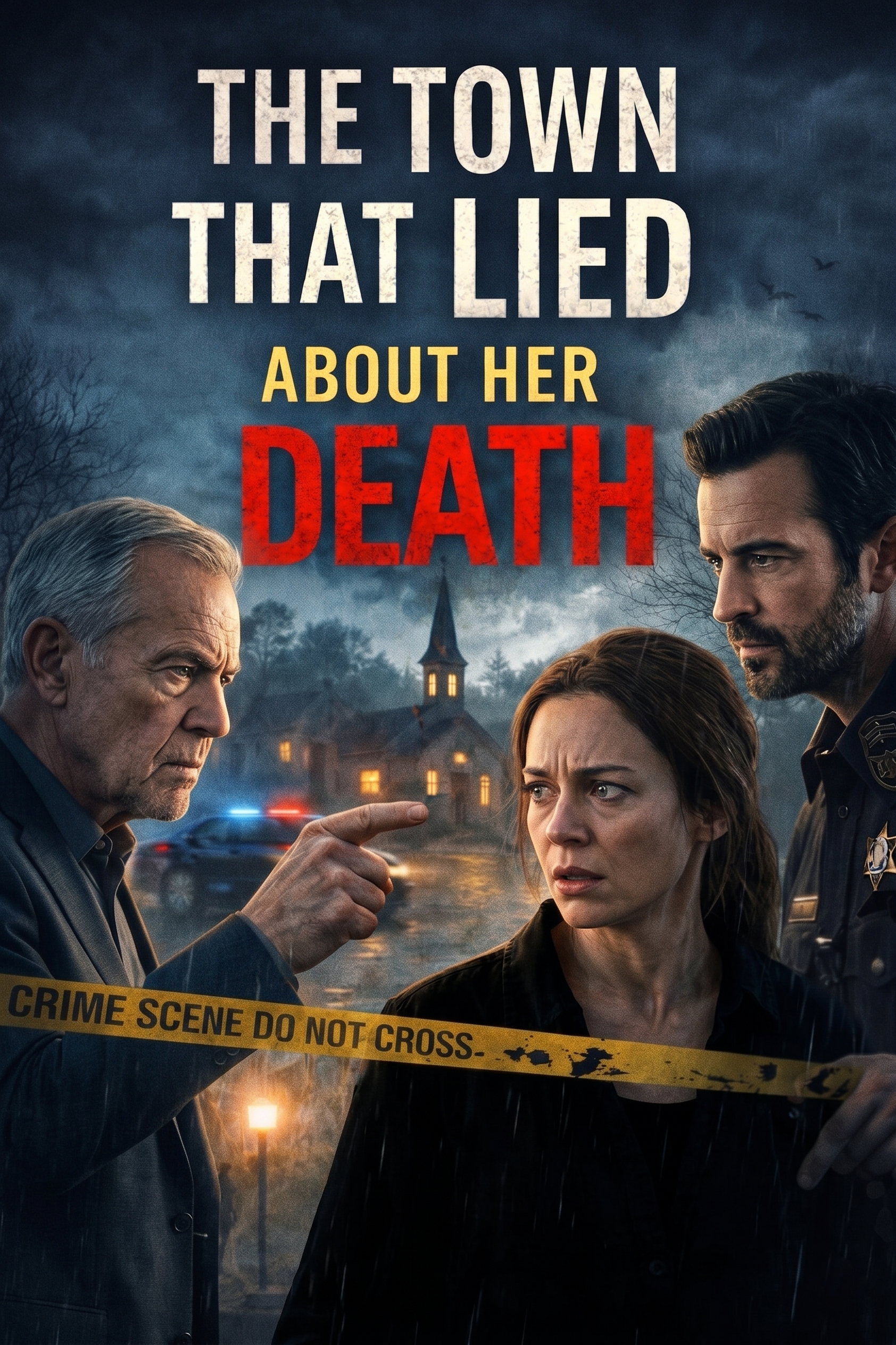
Lena Voss hadn’t planned to look at the body.
She stayed near the back of the chapel, half-hidden behind a column, letting the low murmur of voices press against her without really hearing them. The town hadn’t changed—same stiff shoulders, same careful glances, like everyone was afraid of saying the wrong thing out loud.
Or the right thing.
At the front, her mother’s casket sat open.
Nora Voss. Finally still.
Lena kept her arms folded, nails pressing into her sleeves. She told herself she didn’t need to go closer. Whatever closure people came here for—it wasn’t hers.
“Lena.”
She stiffened. Eli Mercer stood beside her, quieter than she remembered, his badge catching a dull glint of light. He didn’t try to touch her.
“You should—” he started.
“I’m fine.”
It came out too fast. Too flat.
Eli studied her for a second, like he didn’t believe her. Then his gaze shifted toward the casket. “There’s something… off,” he said quietly.
That was enough.
Lena exhaled sharply and forced her feet forward. Each step felt wrong, like she was crossing into a place she’d already left years ago.
The air near the casket was colder.
Her mother looked smaller. The sharpness in her face had softened, but not enough to make her kind. Lena searched for something—regret, maybe—but found nothing she could trust.
Then she saw it.
Resting just inside the casket lining, near Nora’s folded hands, was a small silver locket.
It didn’t belong there.
Lena knew every piece of jewelry her mother owned. Nora didn’t keep sentimental things. Didn’t wear lockets. Didn’t keep photographs close to her heart.
But Lena knew that locket.
Her breath caught.
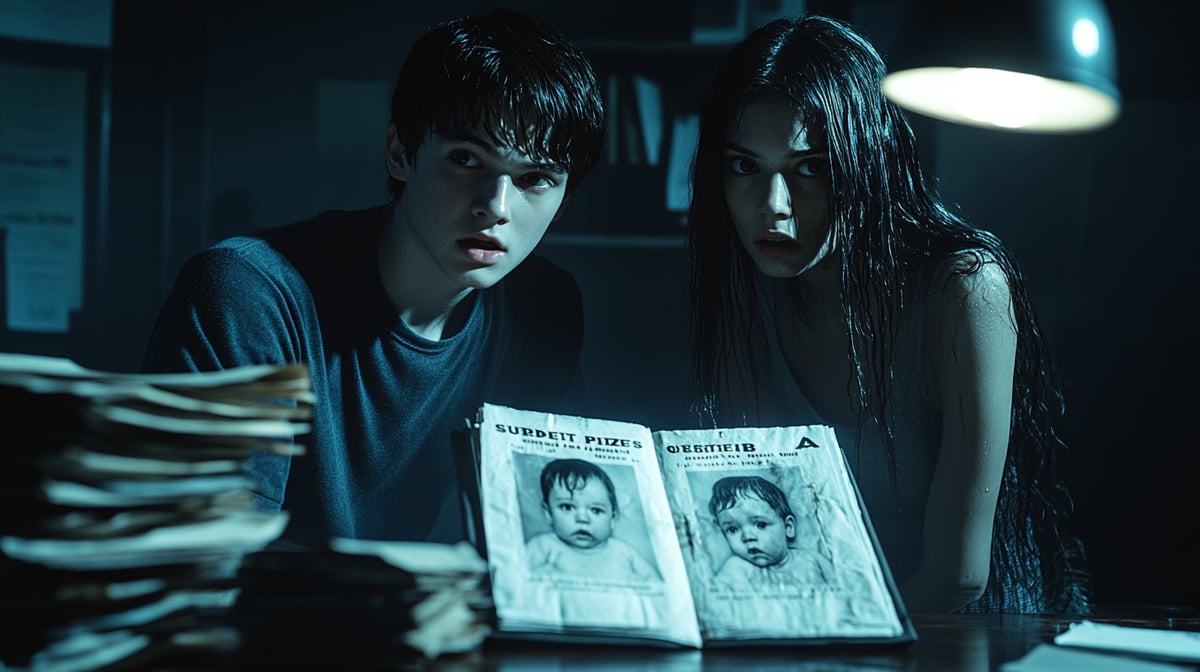
Twenty years ago, when the whole town was searching the woods, when posters covered every storefront—
That locket had been in the picture.
The one of the missing girl.
Lena’s fingers twitched, like she might reach in and grab it, prove she wasn’t imagining it. Behind her, the murmurs shifted—too quiet, too watchful.
She didn’t turn around.
Because suddenly, the question wasn’t why her mother had it.
It was how many people here already knew she did.